
Let’s be honest. For years, the corporate playbook for “helping” with money was pretty simple: offer a 401(k) match (maybe), host a dry retirement seminar once a year, and call it a day. But you know what? That model is broken. It’s like handing someone a map to a treasure chest but forgetting to tell them they’re standing in quicksand.
Today, financial stress isn’t just a personal problem—it’s a seismic business issue. It follows employees through the door, sits with them in meetings, and quietly drains their focus, productivity, and, frankly, their morale. That’s where a genuine employee financial wellness program comes in. It’s not a perk. It’s a strategic shift from simply paying people to actively empowering them. And that shift? It’s the heart of real economic empowerment.
What Financial Wellness Really Means (It’s Not What You Think)
First, let’s clear something up. Financial wellness isn’t about making everyone rich. It’s not even just about retirement. It’s about building a sense of security and control. It’s the feeling you get when an unexpected car repair doesn’t derail your entire month. It’s the quiet confidence of knowing you’re on track, or at least have a clear path to get there.
A holistic program moves beyond one-size-fits-all advice. It meets people where they are. For a Gen Z employee, that might mean tackling student loan debt and building their first budget. For a mid-career parent, it’s the labyrinth of college savings and estate planning. For someone nearing retirement, it’s the nerve-wracking transition from saving to spending. True economic empowerment in the workplace acknowledges all these stages.
The Tangible Ripple Effect: From Stressed to Strategic
Okay, so why should businesses invest? The data is, well, staggering. Financially stressed employees are reportedly twice as likely to hunt for a new job. They spend an average of 3+ hours per week at work dealing with money worries. That’s a massive productivity leak.
But flip the script. When you provide tools for personal financial management, the ripple effect is profound. You see:
- Reduced absenteeism & presenteeism: Fewer “sick days” caused by financial emergencies. Less distracted, “present-but-checked-out” time.
- Improved recruitment & retention: In today’s market, a robust wellness program is a differentiator. It signals you care about the whole person.
- Stronger engagement: An employee who isn’t haunted by overdraft fees is more likely to be mentally invested in their work.
- Better utilization of existing benefits: Honestly, what’s the point of a great 401(k) if people don’t understand it or contribute enough to get the full match?
Building a Program That Actually Works
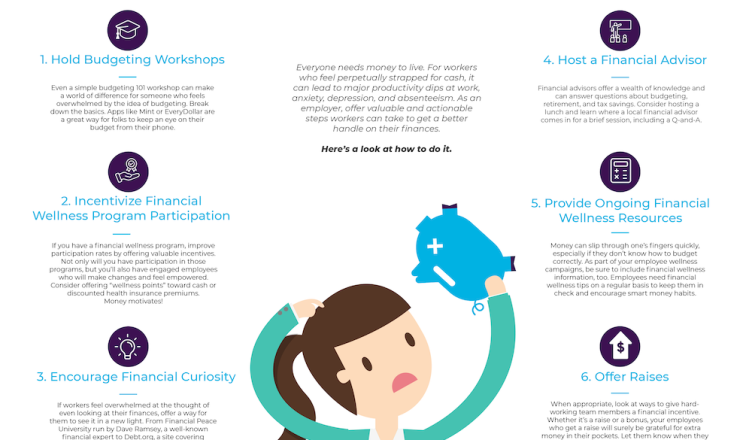
So, what does an effective program look like? Forget the dusty binder. Think accessibility, personalization, and action. Here are some core components, you know, that move the needle.
1. Education That Sticks (No Jargon Allowed)
Ditch the lecture format. Offer live, interactive workshops on relevant topics—”Taming Debt,” “Decoding Your Credit Score,” “Preparing for Tax Time.” Supplement with on-demand, bite-sized content: short videos, podcasts, readable articles. The key? Normalize the conversation. Make it okay to ask, “How does an HSA actually work?”
2. Tools for the Hands-On
Knowledge is one thing. Application is another. Provide access to budgeting apps, financial calculators, or even employee financial coaching. A one-on-one session with a fiduciary coach (who isn’t trying to sell a product) can be transformative. It’s like having a GPS for your finances instead of just a map.
3. Integrate, Don’t Isolate
Your program shouldn’t live on an island. Weave it into your existing benefits tapestry. During onboarding, explain the financial wellness offerings alongside health insurance. In performance reviews, maybe encourage goal-setting that includes personal finance milestones. Connect your employee assistance program (EAP) to financial counseling services. Make it part of the ecosystem.
The Empowerment Payoff: A Culture Shift
This is where it gets exciting. The end goal of a financial wellness strategy isn’t just happier employees—though that’s a great start. It’s about fostering a culture of empowerment. When people feel in control of their money, they bring that same sense of agency and confidence to their roles. They innovate more. They collaborate better. They show up as fuller, more resilient versions of themselves.
Think of it this way: economic empowerment isn’t a destination you hand to someone. It’s a toolkit you provide for the journey. You’re giving them the wrenches, the guide, and the confidence to fix the leaks and tune up their own engine. The destination? That’s theirs to choose.
Getting Started: A Realistic Framework
Feeling overwhelmed? Don’t be. Start small, but start smart. Here’s a no-nonsense approach:
| Phase | Action Steps | Key Metric to Watch |
| Listen & Assess | Survey employees anonymously. What are their top 3 financial stressors? What format do they prefer? Don’t assume—ask. | Survey participation rate & identified top pain points. |
| Pilot & Partner | Launch a single, high-demand workshop or offer a limited number of coaching sessions. Partner with a reputable, unbiased vendor. | Pilot program sign-up rate and post-session feedback scores. |
| Measure & Expand | Track not just participation, but broader impacts. Check for changes in 401(k) loan requests, HSA contributions, or even anonymized sentiment in employee surveys. | Utilization rates, changes in benefit engagement, employee feedback. |
Look, the modern employer-employee contract is evolving. Pay and benefits are the baseline—the table stakes. But the companies that will thrive are those that recognize their role in the whole-life wellbeing of their people. Investing in financial wellness initiatives is a powerful, tangible way to do that.
It signals that you see them not just as workers, but as humans navigating a complex world. And when you help lift that weight of financial anxiety, you don’t just get a more productive employee. You get a more empowered one. And that kind of energy? It doesn’t just stay in their bank account. It flows back into everything they do.