
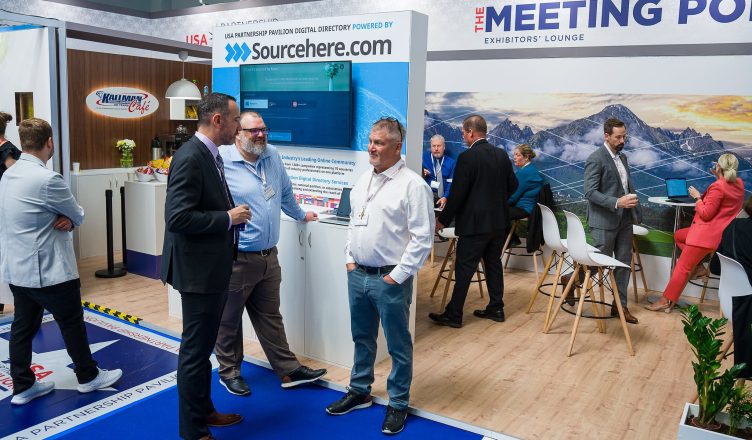
The trade show floor is a special kind of magic, isn’t it? The handshakes, the demos, the energy—it’s electric. But then the lights go up, the booth gets packed away, and that energy… well, it often just evaporates. Poof.
Here’s the deal: treating a trade show as a one-off event is like throwing an amazing party and then never speaking to your guests again. The real value—the lasting value—lies in what you do next. It’s about transforming those brief, intense encounters into a thriving, year-round community that fuels loyalty and growth long after the convention center empties out.
Why the “Afterglow” Strategy Falls Flat
Let’s be honest. The standard playbook is broken. You collect a stack of leads, send a generic “nice to meet you” email, maybe add them to a monthly newsletter blast. And then… crickets. This transactional approach misses the point entirely.
People connected with your people and your story on that show floor. They had a specific problem or curiosity in that moment. A bulk email three weeks later feels cold. It’s a missed connection, literally. To build true loyalty, you need to shift from a campaign mindset to a community-building mindset. Think ongoing conversation, not a sales follow-up sequence.
The Pillars of a Year-Round Engagement Engine
So how do you keep the conversation alive? It’s about creating multiple, valuable touchpoints that serve your audience, not just your sales goals. It’s about being a consistent resource.
1. Create a Dedicated Digital “Home Base”
That trade show should be a gateway, not the destination. You need a dedicated space where your community can gather online. This could be a private LinkedIn Group, a Slack channel, or a branded online forum. The key is exclusivity and value—it’s for people “in the know,” like those you met at the show.
In this space, share content you wouldn’t post publicly: raw behind-the-scenes looks, early product development teasers, or candid Q&As with your executives. Encourage members to network with each other. When they start solving problems together, you’ve built something truly sticky.
2. Master the Art of the Strategic Follow-Up
Forget the bland email. Your follow-up should be personal and contextual. Did someone spend 10 minutes discussing a specific pain point? Send them a link to a relevant case study or a short video of your team addressing that very issue. Use a CRM to tag leads with these conversational notes—it’s gold for personalization later.
Better yet, connect on LinkedIn with a personal note referencing your chat. “Great discussing the challenges of remote team integration with you at Expo X. Here’s that article I mentioned.” It’s human, it’s helpful, and it’s memorable.
3. Deliver Consistent, Unexpected Value
Community thrives on consistent value. This is where content tailored for your trade show audience shines. Think:
- Post-Show Deep Dives: Host a webinar expanding on the most popular topic from your booth presentations.
- “Office Hours” Sessions: Offer monthly 30-minute Zoom calls where anyone can drop in and ask your experts questions.
- Exclusive Industry Intel: Share a quarterly trends report you’ve compiled, just for your community members.
The goal is to make people feel like insiders. You know, like they’re getting the good stuff because they took the time to connect with you.
Leveraging Data & Human Connection
Technology is your ally here, but it can’t replace the human touch. Use your marketing automation to segment your trade show leads based on their interests and behavior. But then, empower your sales and customer success teams to engage as real people.
For instance, track who engages with your post-show content. Someone who attends three webinars is signaling deep interest. That’s when a human should reach out—not with a “ready to buy?” pitch, but with a “I noticed you’re really into topic X, I’d love to hear your thoughts on our upcoming session about it.”
It’s a blend. A smart, data-informed blend of… well, just being a good conversationalist.
The Long Game: Turning Community into Advocacy
When you nurture a community effectively, something amazing happens. Members stop being just leads and start becoming advocates. They answer questions for new members in your forum. They reference your content in their own networks. They provide priceless product feedback.
And when the next trade show rolls around? You have a battalion of friendly faces. They’ll seek out your booth. They’ll bring colleagues. The floor becomes a reunion, not a cold introduction. The energy you once had to generate from scratch is now a perpetual, self-sustaining cycle.
Honestly, the metrics change. It’s less about lead count and more about engagement depth: community growth rates, content interaction levels, and referral traffic. Here’s a simple way to think about the evolution:
| Traditional Focus | Community Focus |
| Number of leads scanned | Quality of conversations started |
| Immediate post-show email opens | Ongoing content engagement & shares |
| Cost per lead | Member lifetime value & advocacy rate |
| Booth traffic | Year-round digital engagement |
Building this doesn’t happen overnight. It’s a commitment. It means viewing every handshake, every scanned badge, not as a transaction, but as an invitation to a longer, more meaningful relationship. The trade show floor is just the first hello. The real relationship is built in the days, weeks, and months that follow—in the consistent, valuable, and human interactions you foster.
So the question isn’t really how to follow up after a show. It’s how to begin a conversation that you never really let end.