
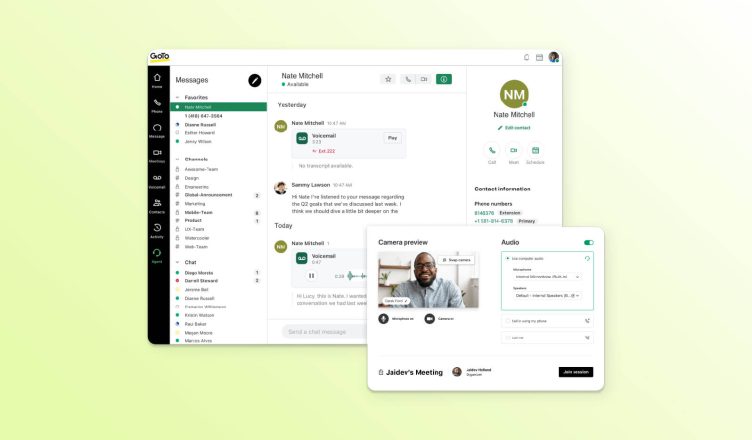
The sales floor is gone. Or, at least, it’s been replaced by a grid of faces on a screen and a flurry of Slack messages. The customer’s office? Could be their kitchen table, a co-working space, or a coffee shop with questionable Wi-Fi. This is the new reality: a hybrid and remote-first buying landscape.
And for sales pros built on classic consultative methodologies, it’s more than a shift in venue. It’s a fundamental change in the rhythm of human connection. The old playbook—reading body language across a desk, building rapport over a handshake, guiding a tour of the facilities—feels, well, analog. The core principle remains golden: be a trusted advisor, not a pitchman. But the execution? That needs a serious digital-age remix.
Why the Old Consultative Model Stumbles Virtually
Let’s be honest. Trying to force a traditional, in-person consultative sales process onto a video call is like trying to perform a symphony over a walkie-talkie. You lose the nuance. The subtle cues. The shared energy in a room. A few key things break down:
- The “Coffee Chat” Vibe Vanishes: That casual pre-meeting banter in the lobby? It’s now awkward small talk while everyone waits for the 4th participant to join the Zoom.
- Discovery Feels Like an Interrogation: Firing off a list of pre-set questions into a camera can feel transactional, not conversational. The natural flow is harder to achieve.
- Building Deep Trust Takes Longer (or Different Tools): Trust is built in microseconds in person—a smile, a nod. Online, it’s assembled more slowly, through consistency, empathy, and demonstrated expertise without the physical crutches.
- Stakeholder Sprawl is a Nightmare: Buying committees are more fragmented than ever. You might never get them all in one (virtual) room, complicating consensus-building.
Remixing the Methodology: Core Adaptations
So, how do you translate the soul of consultative selling into this new language? You adapt the tactics, not the intent. Here’s the deal.
1. Master Asynchronous Discovery & Pre-Work
Stop using precious synchronous time for data gathering. Seriously. The modern consultative sales pro leverages async tools to get smarter, faster. Before a first call, share a brief, insightful Loom video outlining what you hope to discuss. Send a simple, interactive form or a collaborative doc (like a shared Notion page) with 2-3 key questions.
This does two things. It shows respect for the buyer’s time—a huge trust-builder. And it allows them to think deeply, perhaps even consult colleagues, before responding. Your first meeting then becomes a discussion of their prepared insights, not a one-sided Q&A. You’re already collaborating.
2. Redefine “Active Listening” for Digital Channels
On video, active listening needs to be… visible. Nodding more obviously. Using verbal affirmations: “What I’m hearing is…” or “If I’m understanding correctly…”. But it goes beyond the call. Active listening now means:
- Reading Digital Body Language: Are they constantly minimizing the window? (Disengagement). Are they typing while you talk? (Maybe taking notes, maybe distracted). It’s okay to gently check in: “I see you’re typing, did I just say something confusing or brilliant?”
- Listening in Writing: Pay acute attention to the tone, pacing, and content of their emails and chat messages. Their written word often reveals pain points they might not verbalize.
3. Become a Curator of Collaborative Content
The classic consultative seller might pull a relevant case study out of a binder. Today, you need to curate and co-create. Share a relevant article with a personal note on why it made you think of their challenge. Use a whiteboarding tool like Miro or FigJam during a call to visually map out their process alongside your solution.
Think of it as building a shared vision in real-time, on a digital canvas. This collaborative approach not only demonstrates expertise but also creates a tangible artifact of your consultation—something they can share internally, which is gold in a remote stakeholder environment.
The Hybrid Sales Call: A Practical Framework
Let’s get tactical. Here’s a quick table contrasting old vs. new approaches in a key remote sales scenario:
| Stage | Traditional In-Person Approach | Adapted Remote/ Hybrid Approach |
| Pre-Call Prep | Review notes, prepare slides. | Send async pre-work video/doc. Review LinkedIn for recent updates of all attendees. Test screen-share & tools. |
| The First 5 Minutes | Handshakes, coffee, comments on office art. | Intentional rapport: comment on something from their LinkedIn, a virtual background, or a shared interest. Set a collaborative agenda. |
| Presenting Value | Slide deck, maybe a product demo. | Interactive workshop style. Use collaborative whiteboard to map their workflow. Demo is tailored, interactive, and uses their data if possible. |
| Handling Objections | Read the room, address concerns in the moment. | Use chat/polling features to surface unspoken concerns. “Drop your biggest question in the chat right now.” Creates psychological safety. |
| Post-Call Follow-Up | Email summary with next steps. | Share the recorded whiteboard/session notes (Loom clip highlighting key points). Tag different next steps for different stakeholders in a shared project tool. |
The Human Element: It’s Non-Negotiable, Just Different
All this tech talk can feel cold. But the goal is the opposite: to amplify humanity through the screen. That means sometimes being vulnerably human yourself. Admit if your dog barks. Laugh if your kid wanders in. It builds relatability. Schedule a “video-off” working session just to brainstorm via a doc. The pressure to perform for the camera melts away, and pure collaboration can take over.
Remember, your remote-first customer is likely craving genuine connection as much as you are. They’re tired of being “pitched to.” They’re exhausted by transactional exchanges. By adapting your consultative sales methodology to meet them in their world—asynchronously, collaboratively, and with curated empathy—you stop being a salesperson. You become their indispensable remote guide.
And that’s a role no automation, no slick pitch deck, can ever replace. The consultative soul of sales hasn’t changed. It just needed a new dialect.