
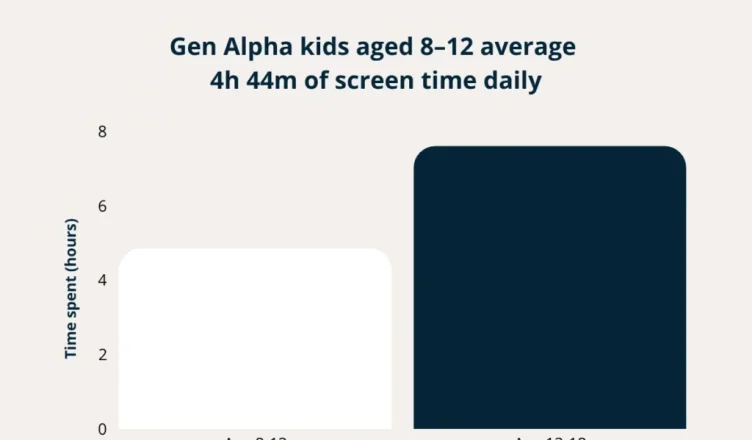
Let’s be honest—marketing has never been quite like this. Generation Alpha, the kids born from 2010 onward, are the first true digital natives from the cradle. They’ve been swiping screens before they could tie their shoes. They don’t just consume media; they interact with it, shape it, and often, they create it.
For brands, this presents a fascinating, two-layered challenge. You have to captivate a sharp, intuitive child while simultaneously earning the trust of their hyper-vigilant, value-driven parents. It’s a dual-audience tightrope walk. Here’s the deal: the old playbook is obsolete. This is about blending cutting-edge kid-tech with genuine edutainment, all wrapped in a parent-approved package.
The Alpha Mindset: Beyond “Screen Time” to “Screen Life”
First, we need to ditch some outdated thinking. For Alphas, technology isn’t a separate activity—it’s the water they swim in. The line between physical and digital play is beautifully, hopelessly blurred. An afternoon might hop from a Roblox build to a backyard reenactment of that same game.
Their expectations are different. They demand seamless, intuitive, and visually rich experiences. Laggy interfaces? They’ll abandon them instantly. They’re also incredibly socially conscious, even at a young age. They pick up on family values around sustainability, inclusivity, and authenticity. Marketing to this generation means speaking to these embedded sensibilities without sounding like you’re trying too hard.
Kid-Tech That Doesn’t Feel Like Tech
The most successful kid-tech feels like magic, not like an app. It’s about enhancing imagination, not replacing it. Think of it as a digital paintbrush, not the entire painting.
Strategies for Immersive Engagement:
- Augmented Reality (AR) as a Playground: Use AR to bring packaging, books, or even retail spaces to life. A cereal box becomes a game board. A poster becomes a 3D dinosaur. It’s a low-friction, high-wow gateway that delights both child and parent by blending the physical and digital.
- Gamification with a Purpose: Points, badges, and progress bars are powerful. But for Alphas—and their parents—the “why” matters. Gamify learning new skills, completing chores, or making healthy choices. The reward is the accomplishment, not just the digital sticker.
- Safe, Moderated Co-Creation Platforms: Alphas are creators. Brands that provide safe, easy-to-use tools for drawing, storytelling, or simple game design win loyalty. Think Canva for kids, but with robust, visible safety features that give parents peace of mind.
The Rise of Edutainment: Where Learning Feels Like an Adventure
“Edutainment” can sound corporate. But at its best, it’s simply a great story where you learn something without realizing it. For parents, it’s the holy grail. It transforms “screen time” into “discovery time.” Your content doesn’t need to be a full curriculum—it needs to spark curiosity.
How do you do it? Well, look at the most popular YouTube channels for kids. They’re energetic, colorful, and host-driven. They ask questions. They make a mess. They experiment. The learning is baked into the fun.
For brands, this could mean:
- Short-form video series that explore “how things are made” or the science behind everyday things.
- Interactive story apps where choices change outcomes, teaching basic narrative and consequence.
- Podcasts or audio stories that fuel imagination during car rides—a huge parent pain point, solved.
The Parent Gatekeeper: Earning Trust is Non-Negotiable
This is the most critical layer. You can have the coolest app in the world, but if it gives a parent pause, it’s dead in the water. Parent-approved branding isn’t about being boring; it’s about being transparent, responsible, and aligned with modern family values.
The Trust Checklist:
| What Parents Demand | How Brands Can Deliver |
| Privacy & Safety | Clear, jargon-free privacy policies. No hidden data collection. Robust, visible parental controls and moderation. |
| Value Alignment | Authentic commitment to diversity, body positivity, and environmental stewardship. Avoid stereotypes. |
| Minimal Friction | Ad-free or ethically ad-supported experiences. No manipulative “in-app purchase” traps. |
| Educational Merit | Clearly communicate the “soft skills” or learning objectives—creativity, problem-solving, empathy. |
Honestly, marketing to the parent often means not marketing to the child in a sneaky way. It’s about being a partner, not a predator. Use your channels to communicate directly with parents about your safety features and values. A blog post about “How We Design for Safety” can be more powerful than a flashy cartoon ad.
Putting It All Together: A Co-Viewing Experience
The ultimate win? Creating something that facilitates a co-viewing or co-playing experience. This is the secret sauce. When a brand creates content that a parent and child can enjoy together—whether it’s a clever AR filter, a puzzle game, or a documentary series—it transcends marketing. It becomes a valued part of family time.
Think about it. A toy that comes with a parent-child coding challenge. A cooking ingredient brand with simple, foolproof recipe videos designed for a kid and adult to follow together. That’s the sweet spot. You’re not just selling to a demographic; you’re enhancing a relationship. And that builds loyalty no traditional ad campaign could ever touch.
In fact, the brands that will truly resonate with Generation Alpha are the ones that understand this new ecosystem. They’re not just making noise for kids. They’re building thoughtful, engaging, and safe bridges between a child’s digital curiosity and a parent’s very real concerns. They’re creating worlds where play and learning are the same thing, and where trust is the default setting, not an afterthought.
That’s the real opportunity here. It’s not about capturing a market. It’s about earning a place in a family’s life, one thoughtful, engaging, and safe interaction at a time. The Alphas are watching, and their parents are too. The question isn’t whether you’ll adapt to them, but how gracefully you’ll manage to do it.