
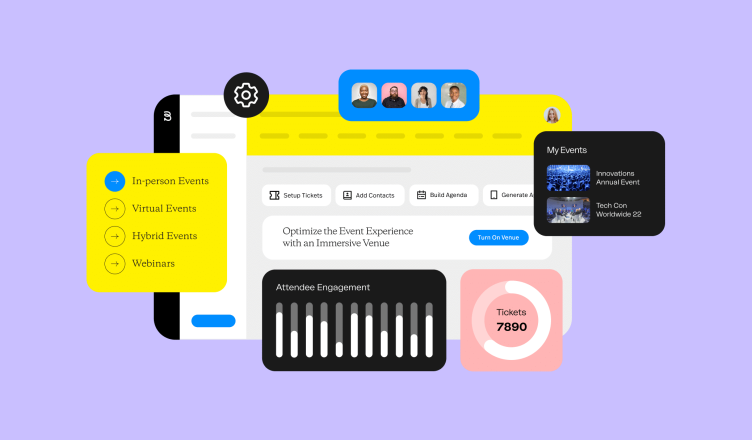
Let’s be honest. The trade show landscape isn’t what it used to be. And honestly, that’s a good thing. Gone are the days when “showing up” meant booking a flight, shipping a 20×20 booth, and hoping your feet held out for three straight days. Today, the smartest exhibitors and attendees aren’t choosing between in-person and digital. They’re weaving them together. They’re using hybrid and virtual trade show participation as a complement to their core strategy.
Here’s the deal: thinking of virtual as a consolation prize or a backup plan is a missed opportunity. When you treat these formats as complementary threads in the same fabric, you create a richer, more resilient, and frankly, more effective presence. It’s like having a main stage and a podcast—different audiences, different rhythms, but one unified message.
Why “Complement” is the Key Word
For a while, we all saw virtual events as a necessary substitute. A temporary fix. But the data—and the shifting expectations of audiences—tell a different story. A hybrid model, where virtual elements aren’t an afterthought but a designed extension, solves persistent pain points. It extends reach, deepens engagement, and turns a three-day event into a three-month conversation.
Think about it. An international prospect can’t get a visa? No problem—they can join your virtual booth demo. A key team member has a scheduling conflict? They can catch the session replay on-demand. The complementary approach acknowledges a simple truth: your audience exists in multiple places, both physically and digitally. Meeting them where they are is just good strategy.
The Tangible Benefits of a Blended Approach
So what do you actually gain by integrating these worlds? Well, the benefits stack up pretty quickly.
- Skyrocketing Your Reach and Inclusivity: Physical events are geographically locked. Virtual components smash those barriers. You can now engage with attendees from other continents who’d never justify the travel cost. It’s a more inclusive model for budgets, time zones, and abilities.
- Data, Data, and More Actionable Data: In a physical hall, you might know someone visited your booth. Online, you know everything. Which product video they watched, for how long, what resources they downloaded. This isn’t creepy—it’s crucial for understanding intent and personalizing follow-up. It turns vague interest into a clear roadmap.
- Extending the Event Lifecycle (The “Always-On” Booth): The biggest waste in traditional trade shows? The momentum evaporates the second the carpet is rolled up. A complementary virtual platform lets you keep your booth “open.” Host post-event Q&As, share recorded sessions, and keep the dialogue alive. Your investment works harder, longer.
- Cost Efficiency and a Stellar ROI: Sure, a full hybrid strategy has costs. But compared to the massive outlay for a major physical presence alone, adding virtual touchpoints is often a drop in the bucket. And it can generate a disproportionate share of leads. You’re getting more bang for your marketing buck, plain and simple.
Making It Work: Strategy Over Tactics
Okay, so the “why” is clear. But the “how” is where many stumble. The goal isn’t to just do two things at once. It’s to make them feel like one seamless experience.
Design for Connection, Not Just Broadcast
A huge mistake is using the virtual component as a one-way broadcast channel. That’s a webinar, not a trade show. The magic happens in interaction. Design virtual elements that are inherently connective.
- Host live, moderated chats during in-person keynote streams.
- Schedule exclusive “virtual-only” roundtables with your experts.
- Use AI-powered matchmaking to connect online attendees with each other—and with your team—based on interests.
Create Content That Crosses the Bridge
Your content should flow between formats. That presentation on the physical stage? It should be instantly available on-demand for virtual attendees. The Q&A from a virtual session? Bring the best questions into your in-person booth conversations. This creates a unified narrative, making everyone feel part of the same event, regardless of location.
Here’s a quick look at how to align resources for a complementary strategy:
| Element | Physical Focus | Virtual Complement |
| Booth Demos | Live, tactile, hands-on experience | Scheduled live-stream demos; on-demand product walkthroughs |
| Networking | Impromptu meetings, cocktail hours | AI-powered 1:1 meeting scheduling; topical chat rooms |
| Content/Sessions | Main stage impact, sensory engagement | Live-stream with integrated poll/Q&A; post-event replay library |
| Lead Capture | Business card scans, form fills | Content-gated downloads, session attendance analytics |
The Human Touch in a Digital Frame
This is the part that can feel tricky. How do you keep it human? The truth is, technology doesn’t replace humanity; it amplifies it. Train your staff to be just as engaging on camera as they are in person. Encourage them to use the attendee’s name, to smile, to look into the camera lens. A little goes a long way.
And don’t be afraid of a little… imperfection. A slightly off-the-cuff remark during a live stream, a team member popping into frame unexpectedly to answer a question—these moments build authenticity. They break the sterile, polished feel that can plague virtual events. You know, the ones that feel a bit too rehearsed.
Common Pitfalls to Sidestep
Of course, it’s not all smooth sailing. A few common missteps can undermine your efforts. Treating virtual as a second-class experience is the big one. If your online offering is just a static PDF upload and a poor-quality stream, you’re telling that audience they don’t matter.
Another pitfall? Siloed teams. Your event marketing, digital, and sales teams must be in lockstep from the planning stage. If the left hand doesn’t know what the virtual right hand is doing, the experience will feel disjointed. Finally, failing to plan the follow-up integration. Those digital leads need to flow into the same CRM and nurture streams as the physical ones, with context from their online behavior.
The New Rhythm of Connection
So, where does this leave us? The future of trade shows isn’t a binary choice. It’s a spectrum of connection. By navigating hybrid and virtual trade show participation as a complement, you’re not just adapting to change; you’re embracing a more sophisticated, more generous, and ultimately more successful model of engagement.
You’re building a presence that’s both a destination and a journey—a physical space that breathes and a digital space that remembers. And in that balance, you find not just more leads, but deeper relationships. That’s the real prize, after all.