
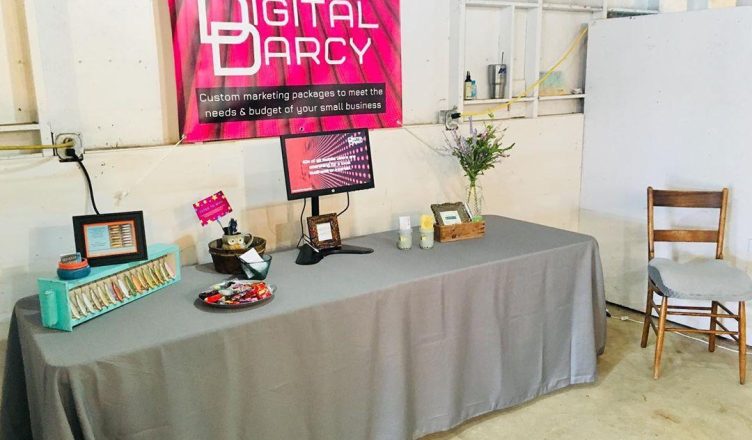
Let’s be honest. Walking onto a trade show floor for the first time can feel like stepping into a gladiator arena. The big players have towering booths, flashy giveaways, and armies of staff. And you? You’ve got a modest budget, a 10×10 space, and a whole lot of hope.
Here’s the deal: you don’t need a king’s ransom to win. You need a smart, scrappy plan. Maximizing ROI from small-budget trade show participation isn’t about outspending everyone—it’s about out-thinking them. It’s about precision, not just presence.
Let’s dive into the strategies that turn first-time jitters into a tangible return on investment.
Pre-Show: The Foundation of Your Success
Honestly, your ROI is decided long before the show doors open. This phase is everything for a small budget. It’s about laying track so your showtime efforts don’t derail.
Set a Crystal-Clear Goal (And a Metric to Match)
“Generate leads” is too vague. You need a specific, measurable target that aligns with your budget. For a first-time exhibitor, maybe it’s: “Capture 50 qualified leads with a defined need,” or “Schedule 15 post-show demos with key decision-makers.” This focus stops you from chasing shiny objects and wasting precious resources.
Master the Art of Pre-Show Promotion
You can’t just show up and expect a crowd. Use the show’s official hashtag and attendee list (if provided) to target your outreach. A simple, personalized email or LinkedIn message works wonders. Try something like: “I saw you’re attending [Show Name]. We’ll be at Booth #1234 showcasing [Your Specific Solution to a Common Pain Point]. Would love to connect for 10 minutes on Tuesday.” It’s direct, valuable, and low-cost.
Invest in One Killer Visual Element
Forget expensive custom booths. Your budget is better spent on one high-impact item. A vibrant, clean banner with a compelling value proposition and your logo. A crisp, looping demo video on a large monitor. A simple, interactive tablet station. One professional-looking anchor piece makes your whole space look intentional and credible.
Showtime: Maximizing Your 10×10 Footprint
You’re here. The lights are bright, the noise is deafening. How do you stand out without a giant budget? You focus on the human element—the one thing the big booths often forget.
Staffing: Energy Overhead Count
You might only have one or two people. That’s okay. Train them relentlessly. They should know how to open a conversation, qualify a visitor in 60 seconds, and capture lead data seamlessly. Role-play. The goal is to be engaging, not interrogating. Stand up, smile, and make eye contact. Never, ever sit behind a table staring at your phone—it’s the quickest way to look like a ghost town.
The Lead Capture Ritual
Skip the fishbowl business card drop. Use a digital lead retrieval app (many shows offer affordable ones) or a simple tablet-based form. The key? Add a qualifying question right then and there. Instead of just getting an email, capture “Biggest Challenge: [ ]” or “Next Step: Send Brochure / Schedule Call / Price Quote.” This simple step turns a raw lead into a sales-ready conversation starter for your follow-up.
Giveaways That Actually Give Something Back
Candy bowls attract grazers. Cheap pens get tossed. Think utility. What does your ideal attendee actually need on the show floor? Maybe it’s a portable phone charger branded with your logo, a high-quality notebook, or even just a map of the venue with your booth circled. The item should be useful enough to keep, creating lasting brand exposure. Or, go digital: offer a valuable, gated resource (like a whitepaper or tool) in exchange for their details.
The Follow-Up: Where ROI is Actually Captured
This is the brutal truth: most trade show ROI is lost in the first 72 hours after the show. All that effort, all that spend, withers away with slow, generic follow-up. Your small budget means you can’t afford this leak.
The 24-Hour Rule is Non-Negotiable
Send your first touchpoint within one day. It doesn’t have to be a full proposal. A simple “Great connecting at [Show Name] about [Topic Discussed]. As promised, here’s that link to the case study I mentioned.” Personalization is key—reference your conversation. This immediacy sets you apart from 95% of other exhibitors.
Segment and Conquer
Use the qualifying data you captured. Create three simple lists: Hot Leads (requested a demo/quote), Warm Leads (interested in info), and Cold Leads (just took a giveaway). Tailor your follow-up sequence for each. Hot leads get a call and a calendar invite within 48 hours. Warm leads get a nurturing email sequence with valuable content. This focused effort maximizes your limited time.
Measuring What Matters: Your ROI Report Card
You can’t claim success without the numbers. For a small-budget trade show strategy, track these core metrics:
| Metric | Why It Matters for Small Budgets |
| Cost Per Lead (CPL) | Total Show Cost / Number of Qualified Leads. This is your fundamental efficiency score. |
| Lead-to-Sale Conversion Rate | Did your qualified leads actually turn into customers? This measures quality, not just quantity. |
| Total Sales Attributed | The ultimate bottom-line figure. Compare this directly to your total investment. |
| Post-Show Engagement Rate | Email opens, link clicks, meeting attendance. Shows if your follow-up is working. |
Look, trade shows are a marathon, not a sprint—especially on a tight budget. Your first time out might not net you a six-figure deal. But it will build a repeatable, scalable system. You’ll learn what resonates, what falls flat, and how to connect with your audience in a noisy room.
The real ROI often isn’t just in the immediate sales. It’s in the partnerships sparked, the market intelligence gathered, and the confidence gained. It’s proving to yourself that with grit, a plan, and a human touch, you can plant a flag on that crowded floor and be seen. And that, you know, is a return that compounds long after the banners are packed away.