
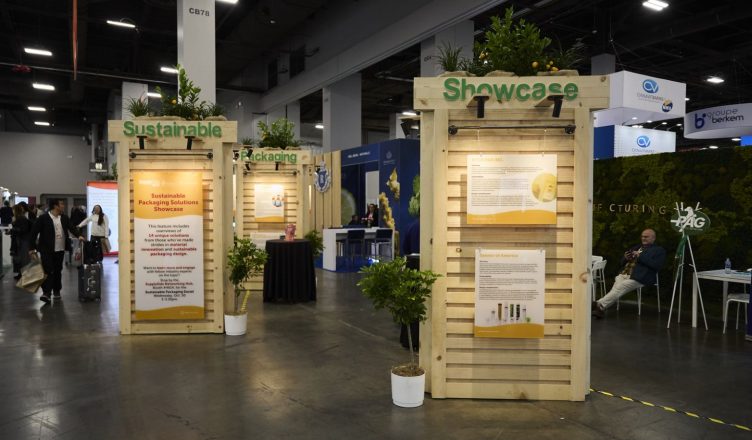
Let’s be honest. The trade show floor can feel like a monument to excess. Think about it: mountains of single-use brochures, carpets that get rolled out and trashed, lighting that hums all day, and displays built for one event before heading to a landfill. It’s a lot. But here’s the deal—the industry is shifting. Attendees, and frankly, your own team, are looking for brands that walk the walk. Adopting sustainable trade show practices isn’t just good PR; it’s becoming a non-negotiable part of smart, modern exhibiting.
And the best part? Going green often means saving some, too. Efficiency and sustainability are two sides of the same coin. This guide will walk you through practical, actionable steps to reduce your environmental footprint without sacrificing an ounce of impact. Let’s dive in.
Rethinking Your Exhibit’s Foundation: Design & Materials
It all starts with what you build your booth from. The old model of custom-built, heavy wooden displays is, well, heavy in every sense. The new approach is lighter, smarter, and designed for a long, useful life.
Choosing the Right Stuff
Look for materials that have a story—a good one. Seek out:
- Recycled & Renewable Materials: Aluminum extrusion frames, fabrics made from recycled PET bottles (those feel great, by the way), and bamboo or FSC-certified wood.
- Modular & Reconfigurable Systems: Invest in a kit of parts you can use for years. These systems adapt to different spaces, so you’re not building from scratch each time. It’s the difference between buying a disposable outfit and a versatile, high-quality wardrobe.
- Low-VOC Finishes: Those “new booth smell” paints and laminates? They can off-gas volatile organic compounds. Opt for water-based, low-VOC alternatives. Better for the planet, and better for your staff breathing that air for 8 hours a day.
The Rental Revolution
Honestly, one of the most impactful moves you can make is to rent instead of own. Seriously. Specialized exhibit houses now offer stunning, high-end rental options. You get a fresh, custom look for each show, and the components go back into a cycle of reuse. It slashes your storage needs, shipping weight, and ultimately, waste. It’s a circular economy model in action.
Operations on the Show Floor: The Daily Grind, Greened
Okay, so your booth is built green. Now, how do you run it? This is where your team’s daily habits create a ripple effect.
Energy is a big one. Swap out old halogen bulbs for cool, efficient LEDs. They use a fraction of the power and last forever. Consider motion sensors for lights in enclosed meeting rooms or storage areas. And if you’ve got a digital screen, dim it just a touch—often, it’s still perfectly visible and saves power.
Waste, well, don’t just bin it. Set up clearly marked recycling and compost stations right in your booth. Train your staff on what goes where. Better yet, aim for a zero-waste giveaway strategy. Which leads us to…
The Swag Dilemma: Moving Beyond the Tchotchke
This is a pain point. You feel the pressure to have “something” to give away. But how many cheap USB drives end up in drawers? How many plastic trinkets get tossed before the attendee even leaves the convention center?
Time for a new philosophy. Offer fewer, but better, items. Items people actually want and will keep. Think useful, high-quality, and sustainable:
- Reusable bottles or coffee cups (if you can partner with the show to offer fill-up stations, even better).
- Apparel made from organic cotton or recycled materials.
- Seeds for native plants, or small potted succulents.
- Or, go digital entirely. Offer a premium download, a subscription, or an entry into a contest for a high-value experience.
The key is intentionality. Every item should reflect your brand’s commitment, not just fill a goody bag.
Logistics & Travel: The Invisible Footprint
A lot of your show’s carbon footprint happens behind the scenes. In fact, transportation—of your booth and your people—is often the largest contributor. You can’t eliminate it, but you can optimize.
| Logistics Area | Eco-Friendly Strategy |
| Shipping & Freight | Consolidate shipments. Use carriers with carbon-offset programs. Design lighter exhibits to begin with (less weight = less fuel). |
| Staff Travel | Book non-stop flights when possible (takeoff/landing uses most fuel). Encourage train travel for regional shows. Book hotels within walking distance of the venue. |
| On-Site Transport | Use electric or hybrid vehicles for local errands. Share rides between staff. Just… walk. |
It’s about asking the question: “Is there a greener way to get this done?” Often, there is.
Communication & The Digital Shift
Paper. It’s the classic trade show crutch. But let’s face it—most literature gets recycled, and poorly. Shift your mindset from “handout” to “handover.”
Use a great lead retrieval app to capture contacts digitally. Then, follow up with a beautifully designed email that includes links to your PDFs, product sheets, and videos. This allows you to track what’s actually being opened, too. If you must have print, make it on 100% post-consumer recycled paper with soy-based inks, and offer it selectively rather than stacking it high.
Measuring Your Impact (And Talking About It)
You can’t manage what you don’t measure. So, track your efforts. Calculate the weight of waste you diverted from landfill. Estimate your carbon savings from lighter shipping. Count the number of plastic bottles saved by not handing them out.
Then, share that story. Not in a braggy way, but in a transparent, “we’re-all-learning” way. Use signage in your booth with simple stats: “This display is made from 95% recycled materials.” It sparks conversations with like-minded prospects and sets a standard for others.
In the end, sustainable exhibiting isn’t about achieving perfection. It’s about consistent, conscious progress. It’s choosing the better option, one decision at a time—from the plywood in your walls to the pen in your pocket. That momentum, that’s what builds not just a greener booth, but a more resilient and respected brand. And that’s a story worth telling, long after the show floor lights go dim.