
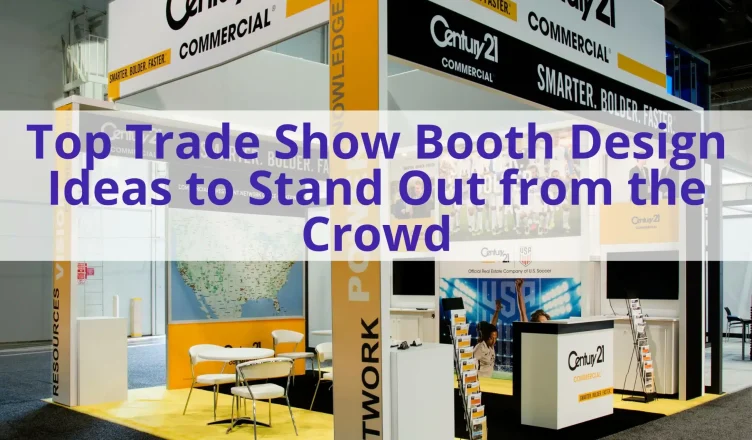
Let’s be honest. Trade show floors are a special kind of chaos. A sea of bright lights, competing sounds, and a hundred booths all screaming for a sliver of attention. In that environment, how do you make someone feel something? How do you create an experience that sticks in their memory long after their feet have stopped aching?
Well, that’s where the fascinating worlds of neuroaesthetics and sensory design come in. It sounds complex, but the core idea is simple: we’re designing for the human brain and body, not just a checklist of booth features. We’re moving past “what looks cool” and into “what feels right.” And honestly, it’s a game-changer for genuine engagement.
What is Neuroaesthetics, Anyway? (And Why Should You Care?)
In a nutshell, neuroaesthetics is the scientific study of how our brains respond to aesthetic experiences—things like art, music, and, yes, design. It asks questions like: Why does a curved line feel more pleasant than a jagged one? What colors trigger a sense of trust versus urgency?
For booth design, this isn’t just academic. It’s a practical toolkit. When you understand that our brains are wired to prefer certain patterns, harmonies, and environments, you can design a booth that feels intuitively welcoming. You’re essentially reducing cognitive friction before a visitor even steps inside. You’re speaking a primal language of form and feeling.
Sensory Design: The Five-Channel Experience
Neuroaesthetics gives us the “why.” Sensory design gives us the “how.” It’s the active application, engaging all five senses to craft a complete, immersive narrative. Most booths only really hit one or two—sight, maybe sound. But the magic, the real memorability, happens in the layers.
Sight: Beyond the Logo Slam
Sure, visuals are king. But it’s not just about giant logos. It’s about visual flow. Our brains love a clear visual hierarchy and natural sightlines. Use principles like the “Golden Ratio” or simple, clean curves to guide the eye effortlessly through your space. Clutter? It creates visual stress. A clean, purposeful layout feels calming and professional.
Color psychology is huge here, but it’s nuanced. A bright red might scream “sale!” in retail, but in a B2B setting, it could signal alarm. Deep blues often convey trust and stability; greens connect to growth and harmony. The key is alignment with your brand’s emotional promise.
Sound: The Underrated Atmosphere Setter
Here’s a common pain point: you can’t hear your own thoughts because the booth next door is blasting generic dance music. Bad sound design is invasive. Good sound design is invisible. It sets a tone.
Consider a subtle, ambient soundtrack that reflects your brand’s personality—maybe acoustic, maybe minimalist electronic. Use directional speakers or noise-cancelling panels to create a sonic bubble. The goal is to lower the perceived volume of the show floor, making conversation easier and reducing visitor fatigue. That’s a gift people will remember.
Touch: The Forgotten Sense of Connection
Texture creates a tangible connection to your brand. A cool, smooth granite countertop feels premium and solid. A warm, textured fabric on a seating area feels inviting and comfortable. Even the finish on your product samples—matte versus glossy—sends a different subconscious message.
Encourage interaction through touch. Let people feel the material of your product, turn a knob, or slide a panel. Haptic feedback creates a stronger memory than sight alone. It makes your offering real.
Smell & Taste: The Direct Line to Memory
The olfactory bulb is directly wired to the brain’s memory and emotion centers. That’s why a smell can instantly transport you. A distinct, pleasant scent in your booth—fresh coffee, green tea, vanilla, or a custom scent—creates a unique memory anchor.
Taste is its powerful partner. Offering a quality coffee, a unique flavored water, or even a small, exquisite chocolate isn’t just hospitality. It’s a multisensory brand experience. It forces a pause, a moment of enjoyment and gratitude. Just keep it authentic and on-brand; cheap coffee can backfire.
Putting It All Together: A Blueprint for Brain-Friendly Booths
So, how does this look in practice? It’s about intentional layering. Let’s sketch a quick example for a hypothetical wellness tech company, “Aura.”
| Sensory Channel | Application for “Aura” Booth | Neuroaesthetic Principle |
| Sight | Soft, biomorphic shapes; a palette of muted greens and creams; gentle, indirect lighting. | Curvilinear preference reduces threat response; green promotes calm. |
| Sound | Low-volume, nature-inspired soundscapes (forest sounds, gentle water). | Masking chaotic noise reduces stress; natural sounds enhance cognitive restoration. |
| Touch | Sample products with matte, rubberized finishes; plush carpeting; smooth wooden handrails. | Varied, pleasant textures encourage exploration and create positive haptic memories. |
| Smell | Subtle diffusion of a cedarwood and lavender scent. | Links to nature (biophilia); lavender is associated with relaxation in numerous studies. |
| Taste | Infused water with cucumber and mint, served in chilled glass. | Promotes hydration (wellness); clean, fresh taste reinforces brand purity. |
The result? An oasis. A booth that doesn’t just talk about calm and focus—it embodies it. Visitors feel the difference before they even know why.
The Real Payoff: Beyond the Lead Scan
Investing in this approach isn’t about flashy gimmicks. It’s about depth. The payoff is tangible:
- Deeper Engagement: People stay longer. They’re not just grabbing a giveaway; they’re experiencing a mood, a story.
- Emotional Brand Encoding: Facts are forgotten. Feelings are remembered. Your brand becomes associated with a specific, positive emotional state.
- Reduced Cognitive Load: In an overwhelming environment, your booth becomes a place of subconscious ease, making visitors more receptive to your message.
- Competitive Differentiation: In a sea of sameness, a booth designed for the human senses stands out not just visually, but viscerally.
Look, the future of experiential marketing isn’t louder. It’s smarter. It’s more human. By weaving neuroaesthetics and sensory design into your booth strategy, you’re doing more than decorating a space. You’re architecting an experience that respects the visitor’s neurology—their need for comfort, clarity, and connection.
You’re not just asking for their attention. You’re earning their feeling. And in a noisy world, that feeling is what they’ll take with them.