
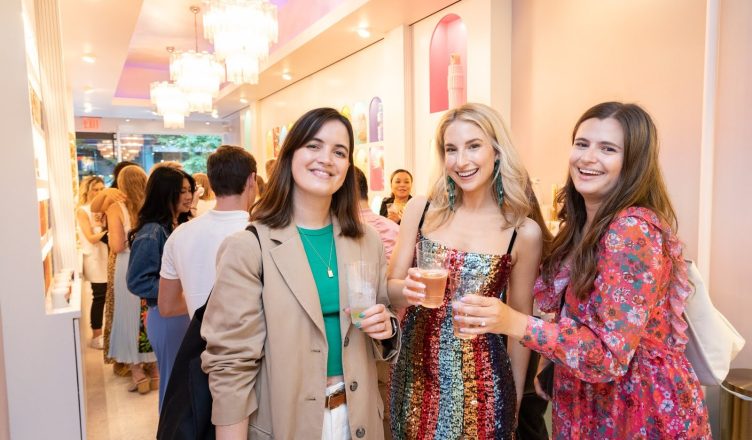
Picture this: you’ve spent months prepping for a massive B2B trade fair. The booth is sleek, the brochures are glossy, and your team is ready. But the aisles? They’re a ghost town for your brand. Meanwhile, a smaller competitor is swarmed—not because they spent more, but because they brought the right people along. That’s the quiet power of micro-influencers at trade shows. Honestly, it’s a bit of a game-changer.
For B2B companies, trade fairs are still one of the most effective ways to generate leads, launch products, and build authority. But the old playbook—rent space, hand out swag, hope for the best—is fading. Buyers are skeptical. Attention spans are thin. And that’s where micro-influencers come in. They’re not celebrities. They’re niche experts with small but fiercely loyal audiences. Think of them as the friendly neighbor who happens to know everything about industrial HVAC systems. You trust them. You listen.
So, how do you actually recruit these folks for your next B2B trade fair? Let’s dive into strategies that work, without the fluff.
Why Micro-Influencers Beat Big Names at B2B Events
First, a quick reality check. Macro-influencers—the ones with hundreds of thousands of followers—often deliver vanity metrics. Likes, shares, maybe a spike in website traffic. But in B2B, the sales cycle is long. Trust matters more than reach. A micro-influencer with 5,000 engaged followers in your niche can drive more qualified booth visits than a general business guru with 500,000.
Here’s a stat that surprised me: according to a 2023 Influencer Marketing Hub report, micro-influencers (10K–100K followers) see engagement rates around 3.86%, compared to just 1.21% for mega-influencers. In B2B, where every conversation counts, that’s huge.
Plus, micro-influencers are often actual practitioners—consultants, analysts, engineers, or niche bloggers. They speak the language. They know the pain points. And when they recommend a booth or a demo, it feels like advice, not an ad.
Where to Find Your B2B Micro-Influencers
You won’t find them on a red carpet. You’ll find them in the trenches. Here are the best places to start your search:
- LinkedIn: The holy grail for B2B. Look for people who post regularly about your industry—supply chain, fintech, manufacturing, whatever. Check their comment sections. Engagement is key.
- Industry podcasts and webinars: Guests and hosts often have small but devoted followings. They’re used to speaking, which translates well to live event coverage.
- Niche newsletters: Substack and LinkedIn newsletters are booming. A writer with 3,000 subscribers in your vertical is gold.
- Trade publication contributors: Freelance writers and columnists often have social followings. They understand the beat.
- Conference speaker lists from past years: Not the keynote celebrities—the breakout session speakers. They’re approachable and hungry for exposure.
Sure, you could use influencer platforms like Upfluence or Aspire. But honestly? For B2B trade fairs, manual scouting often works better. You want someone who’s already in the room, not a paid stranger.
How to Approach Micro-Influencers (Without Sounding Like a Sales Bot)
Okay, so you’ve made a list. Now what? The worst thing you can do is send a generic “Hey, we’d love to collaborate!” DM. That’s the equivalent of a cold call in a crowded room. Instead, try this three-step approach:
- Warm them up. Comment on their posts for a week or two. Share their work. Be a human, not a logo.
- Lead with value. Don’t ask for coverage. Offer something first—a free pass to the trade fair, a behind-the-scenes tour, an exclusive interview with your CEO, or early access to a product demo.
- Be specific about the ask. “Would you be open to recording a 60-second LinkedIn video from our booth?” is better than “Can you promote us?” Clarity respects their time.
And please—personalize every message. Mention a recent post they wrote. Reference a talk they gave. It takes five extra minutes and doubles your response rate. In fact, I’ve seen reply rates jump from 8% to 34% just by adding one personalized sentence.
Structuring the Partnership: What to Offer (and What to Avoid)
Micro-influencers in B2B aren’t usually chasing free lipstick. They want credibility, access, and sometimes compensation. Here’s a simple table to guide your offers:
| What They Want | What You Can Offer | What to Avoid |
|---|---|---|
| Recognition as an expert | Speaking slot at your booth or a co-branded webinar | Vague “exposure” promises |
| Access to new tools/data | Exclusive demo or early access to research | Making them beg for info |
| Monetary compensation | Flat fee or affiliate commission (even small) | Revenue-share only (they need upfront) |
| Networking | Introductions to other industry leaders | Leaving them alone at the event |
That said, don’t overcomplicate it. Sometimes a simple barter works—free booth space for a live podcast recording, for example. But always put the agreement in writing. A one-page letter of understanding prevents headaches later.
Activating Micro-Influencers Before, During, and After the Fair
Recruitment is just the start. The real magic happens in the execution. Here’s a timeline that works:
Before the Fair (2–4 weeks out)
- Send a welcome kit with branded swag, a schedule, and key talking points.
- Host a 15-minute Zoom call to align on goals. Ask: “What would make this worth your time?”
- Co-create a content plan. Maybe they do a “what to expect” LinkedIn post, or a teaser video.
During the Fair
- Give them a dedicated spot at your booth—a small table, a chair, good lighting.
- Encourage live posting. But don’t script every word. Authenticity wins.
- Introduce them to your sales team. A warm handoff turns a conversation into a lead.
After the Fair (1–2 weeks later)
- Share analytics: booth visits, social reach, lead counts. Influencers love seeing impact.
- Send a thank-you note—handwritten if possible. Sounds old-school, but it sticks.
- Ask for a follow-up post or a case study quote. Most will say yes if the experience was good.
Common Pitfalls (and How to Sidestep Them)
Even seasoned marketers trip up here. Let’s be honest—B2B influencer marketing is still the Wild West. Watch out for these:
- Treating them like billboards. They’re partners, not walking ads. Give them creative freedom.
- Ignoring compliance. The FTC requires clear disclosure of paid partnerships. A simple #ad or “sponsored” tag keeps you legal.
- Forgetting to measure. Use unique UTM links, promo codes, or booth QR codes. Otherwise, you’re guessing.
- One-and-done mindset. The best micro-influencer relationships span multiple events. Build a roster, not a one-night stand.
And here’s a subtle one: don’t recruit too many. Five to ten well-chosen micro-influencers can outperform fifty random ones. Quality over quantity, always.
The Bottom Line: Small Voices, Big Impact
B2B trade fairs are loud, crowded, and expensive. Standing out requires more than a bigger banner. It requires trust. Micro-influencers bring that trust in spades. They walk the floor, shake hands, and tell their small but mighty audience what’s actually worth seeing.
Recruiting them isn’t rocket science. It’s relationship-building. Find the right people. Offer real value. Let them be themselves. And then watch your booth become the one everyone talks about—not because you shouted the loudest, but because the right people whispered your name.
So next time you’re staring at that trade fair floor plan, don’t just think about square footage. Think about who you’re bringing with you. The smallest voices often carry the furthest.