
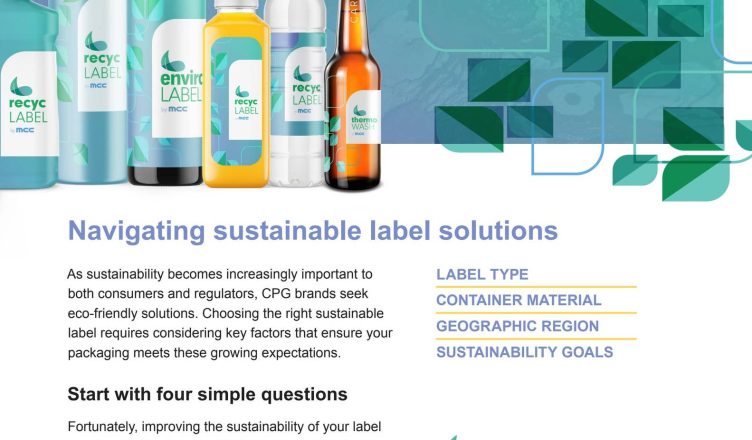
You’ve seen them everywhere — those little green leaves stamped on product packaging. The words “eco-friendly” splashed across a plastic bottle. “100% sustainable” on a fast-fashion tag. It feels good, right? But here’s the thing: a lot of those claims? They’re total fiction. And regulators are finally cracking down.
Let’s be real — greenwashing is a dirty little secret in marketing. It’s when companies exaggerate or flat-out lie about their environmental efforts. And honestly, it’s getting harder to pull off. New rules are popping up in the EU, the US, and the UK. If you’re a marketer, a business owner, or even just someone who cares about the planet, you need to understand this shift.
So, what does compliance actually look like? And how do you make sustainable marketing claims without stepping into a legal minefield? Let’s untangle this mess together.
What’s greenwashing, really? (And why it stinks)
Greenwashing isn’t just a buzzword. It’s a deliberate strategy — or sometimes just lazy marketing — that makes a product seem greener than it is. Think of it like putting a fresh coat of paint on a crumbling house. It looks nice for a second, but the foundation is rotten.
Common examples? Oh, there are plenty. A company that uses recycled packaging but sources materials from deforestation. An airline that calls itself “carbon neutral” while burning jet fuel like there’s no tomorrow. Or a brand that slaps a “biodegradable” label on something that’ll sit in a landfill for 500 years.
Here’s the problem: consumers are getting wise. A 2023 survey from the European Commission found that 53% of green claims were vague, misleading, or outright false. That’s a massive trust gap. And when trust breaks, brands bleed.
The regulatory tsunami — what you need to know
Regulators aren’t messing around anymore. The days of slapping a leaf icon on a label and calling it a day are over. Let’s break down the big players.
European Union: The Green Claims Directive
The EU is leading the charge. Their Green Claims Directive, proposed in 2023, is a beast. It requires companies to back up any environmental claim with solid, verifiable evidence. I mean, like, life-cycle assessments, third-party certifications, the works. If you say a product is “climate neutral,” you better have the receipts.
And here’s a kicker: the directive bans generic claims like “eco-friendly” or “green” unless you can prove the entire product lifecycle meets that standard. That’s a high bar. Most companies won’t clear it.
United States: The FTC’s Green Guides
Over in the US, the Federal Trade Commission (FTC) is updating its Green Guides. These aren’t laws per se, but they’re used to enforce against deceptive practices. The FTC has already sued companies like Kohl’s and Walmart for misleading “bamboo” labels (turns out, it was just rayon). The updated guides will likely demand more specific language and proof.
Think of it like this: if you claim your shirt is made from recycled ocean plastic, you need to show exactly how much, where it came from, and how it’s verified. No more fuzzy math.
United Kingdom: The CMA’s Green Claims Code
The UK’s Competition and Markets Authority (CMA) has its own Green Claims Code. It’s a six-point checklist that covers honesty, clarity, and evidence. They’ve already investigated fast-fashion giants and bottled water brands. The message is clear: comply or face fines.
Oh, and don’t forget Australia, Canada, and even India — they’re all drafting similar rules. This isn’t a trend. It’s a permanent shift.
How to make sustainable marketing claims that don’t backfire
Alright, so you want to market your product as sustainable. Great. But how do you do it without getting slapped with a lawsuit or a PR disaster? Here’s a practical guide.
1. Be specific — painfully specific
Don’t say “our packaging is better for the environment.” Say “our packaging uses 30% post-consumer recycled content, certified by the FSC.” Specifics build trust. Vague claims invite scrutiny.
For example, instead of “carbon neutral,” try “we offset 100% of our direct emissions through verified carbon credits from [X project].” See the difference?
2. Use third-party certifications
Certifications are like gold stars for credibility. Look for labels like B Corp, Fair Trade, Energy Star, or Cradle to Cradle. But be careful — some certifications are pay-to-play. Do your homework. A legit cert has transparent standards and regular audits.
Here’s a quick comparison of common certifications:
| Certification | Focus Area | Trust Level |
|---|---|---|
| B Corp | Social & environmental impact | High |
| Fair Trade | Ethical sourcing | High |
| Energy Star | Energy efficiency | Medium-High |
| Cradle to Cradle | Circular product design | High |
| Carbon Trust | Carbon footprint reduction | Medium |
3. Avoid “green sheen” — don’t hide the trade-offs
Every product has an environmental footprint. Even the most “sustainable” sneakers still require energy, water, and materials. Be honest about the downsides. If your shirt uses recycled polyester but still sheds microplastics, say so. Consumers respect transparency more than perfection.
Think of it like a relationship — you wouldn’t pretend to be perfect on a first date. Same with your brand. Flaws make you human. And humans trust humans.
4. Keep claims current — don’t rest on old data
Sustainability isn’t static. What was true two years ago might not hold today. If you claimed your product was “100% recyclable” in 2022 but the recycling infrastructure changed, update your claim. Regulators expect ongoing evidence. Set a reminder to review your claims every six months.
Common traps that snag even well-meaning brands
You might think you’re doing everything right, but greenwashing can sneak in. Here are a few traps to watch for.
- The “lesser of two evils” trap — Saying a plastic bottle is “better” because it uses 10% less plastic. That’s still plastic. Focus on absolute impact, not relative improvement.
- The hidden trade-off — Highlighting one green feature (like recycled packaging) while ignoring a bigger issue (like high water use in production).
- Irrelevant claims — “CFC-free” on a product that never contained CFCs. That’s like saying “no lead” in a glass of water. It’s meaningless.
- Fake labels — Creating your own “eco” logo that looks official but has no standards. Regulators are hunting these down.
I’ve seen brands fall into these traps all the time. It’s not always malicious — sometimes it’s just sloppy thinking. But the result is the same: lost trust, fines, and a damaged reputation.
What happens if you get it wrong? (Spoiler: it’s ugly)
Non-compliance isn’t just a slap on the wrist. In the EU, fines can reach up to 4% of annual turnover — that’s millions for big companies. In the US, the FTC can force you to refund customers and run corrective ads. And in the court of public opinion? Oh, it’s brutal.
Remember the “H&M greenwashing scandal” in 2022? The brand was accused of misleading consumers with its “Conscious” collection. Sales dipped. Trust cratered. And they’re still trying to recover. That’s the cost of cutting corners.
But here’s the upside: getting it right builds loyalty. A 2024 study by Nielsen found that 78% of consumers are more likely to buy from brands with transparent sustainability claims. Compliance isn’t just a legal checkbox — it’s a competitive advantage.
Practical steps to audit your current claims
Ready to clean house? Here’s a quick checklist you can use right now.
- Gather all your marketing materials — website, packaging, social media, ads.
- Highlight every green claim. Yes, every single one.
- Ask: Can I prove this? With data, a certification, or a third-party audit?
- If not, rewrite it. Or remove it.
- Check for vague words like “green,” “eco,” “natural,” “clean.” Replace them with specifics.
- Look for hidden trade-offs. Is your “sustainable” product shipped halfway around the world?
- Consult a legal expert who specializes in environmental marketing. It’s worth the cost.
Honestly, this process might feel tedious. But it’s like cleaning out your garage — painful in the moment, but you feel amazing afterward.
The future of sustainable marketing
We’re moving toward a world where green claims are backed by digital product passports — blockchain-verified records of a product’s entire lifecycle. Imagine scanning a QR code on a shampoo bottle and seeing exactly where every ingredient came from, how much carbon was emitted, and how it’s recycled. That’s coming sooner than you think.
Also, expect more collaboration between regulators. The EU, US, and UK are already sharing enforcement strategies. If you’re a global brand,